

Choosing between clear braces vs metal braces in Prosper and Colleyville, TX? Both options help straighten teeth and fix bite issues. Both use brackets and wires to guide tooth movement over time. The right choice depends on your smile goals, lifestyle, and budget. At Wink Orthodontics in Prosper and Colleyville, TX, we help patients of all ages understand their treatment options.
Keep reading to learn the key differences. This guide will help you choose the braces that fit your needs and your life.

What Are Clear Braces?
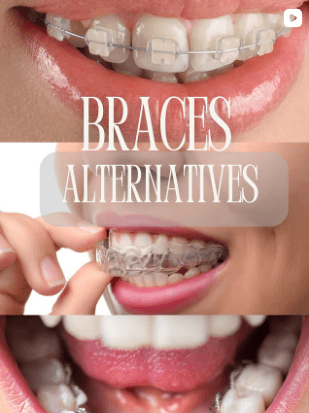
Clear braces, also called ceramic braces, use tooth-colored or clear brackets. These brackets blend in with your teeth. This makes them less noticeable when you talk or smile. Clear braces work the same way as metal braces. The main difference is appearance. Many teens and adults choose clear braces because they offer more discretion. They are popular with people who work, speak in public, or attend social events often.
How Clear Braces Work
Clear braces use ceramic brackets and a thin archwire. Your orthodontist bonds the brackets to the front of each tooth. The wire runs through the brackets and applies gentle pressure. This pressure causes slow and steady tooth movement. Over time, your teeth shift into better alignment. During routine appointments, your orthodontist makes small adjustments to the wire. These changes guide progress and help correct bite issues.
For many patients, the effectiveness of clear braces is similar to metal braces. They can treat crowding, gaps, and many bite problems with reliable results.
Advantages of Clear Braces
Clear braces offer many benefits for the right patient.
- Improved Appearance and Discretion: Because the brackets are ceramic and tooth-colored, they blend in well. This lowers visibility and supports confidence during treatment.
- Strong Effectiveness: Clear braces can fix many alignment and bite issues. In mild to moderate cases, they offer the same results as metal braces.
- Smooth Comfort: Ceramic material is often smooth. Many patients report less early mouth irritation once they adjust. Some initial discomfort is normal with any braces, but it often fades fast.
- Style Options: Clear or white wires can be used. This keeps the look clean and simple. It also supports personal preferences and smile goals.
Disadvantages of Clear Braces
Clear braces are not perfect for everyone. There are some limits to consider.
- Higher Cost: Ceramic material costs more than metal. Clear braces usually have higher pricing than metal braces. During your consultation, we explain all costs and payment plans.
- Staining and Discoloration: The brackets resist stains, but the elastic ties can discolor. Dark foods and drinks may cause staining if oral hygiene is poor.
- Extra Maintenance: Clear braces need careful cleaning. Brushing after meals helps prevent discoloration and buildup.
- Lower Durability: Ceramic brackets are strong but less tough than metal. They can chip if food rules are ignored. This may affect treatment progress.
What Are Metal Braces?
Metal braces are the most traditional form of orthodontics. They use stainless steel brackets and wires. These braces have been used for decades and are known for strength and control. Metal braces remain a top treatment option for kids, teens, and adults. They are reliable, durable, and effective for nearly all orthodontic cases.
How Metal Braces Work
Metal braces use small metal brackets bonded to each tooth. A strong metal archwire connects the brackets. Tiny rubber bands or clips hold the wire in place. At regular appointments, your orthodontist tightens or changes the wire. These steady adjustments guide tooth movement and bite correction. Over time, this leads to straight teeth and a balanced bite. The effectiveness of metal braces is proven in countless cases.
Advantages of Metal Braces
- High Durability: Metal brackets and wires are very strong. They resist bending and breaking. This makes metal braces ideal for active patients.
- Strong Affordability: Metal braces are often the most affordable fixed braces option. The materials cost less, and the process is efficient. This makes them a great value.
- Works for All Cases: Metal braces can treat mild crowding and complex bite issues. They offer excellent control for detailed tooth movement.
- Fun Customization: Patients can choose band colors at each visit. This is popular with kids and teens and adds fun to braces treatment.
Disadvantages of Metal Braces
- Higher Visibility: Metal braces are more noticeable. If discretion matters most, this may be a downside.
- Early Discomfort: Metal brackets may cause mild pain or rubbing at first. Wax and time usually help, and most patients adjust quickly.
- Food Restrictions: Hard, sticky, and chewy foods must be avoided. These foods can damage brackets and slow progress.
- Extra Cleaning Time: Food can get stuck around brackets and wires. Strong brushing and flossing habits are needed for good oral hygiene.
Comparing Clear Braces vs Metal Braces
The points below explain the main differences to help you compare appearance, comfort, cost, care, and results.
Appearance
Clear braces offer softer aesthetics and more discretion. Metal braces are more visible but can be styled with colors. Clear braces blend with your teeth, which many patients prefer at work or school. Metal braces stand out more but still deliver strong results.
Comfort
Both types may cause early discomfort. Ceramic brackets often feel smoother. Comfort improves as your mouth adapts. Comfort improves as your mouth adapts to the braces.
Durability
Metal braces offer the highest durability. Clear braces work well but need more care. Metal brackets resist bending or breaking during daily use. Clear braces can chip if food rules are ignored. As Dr. Marty Greenberg, a recommended orthodontist in Jacksonville, FL, points out, patients who grind, play contact sports, or are hard on their teeth often do better with metal braces because they can handle more stress.
Cost
Metal braces usually cost less. Clear braces cost more due to ceramic material. Insurance may help with both. Insurance may help with both options. Payment plans can also make braces treatment more affordable.
Maintenance
Both need daily care. Clear braces need extra attention to avoid staining. Brushing and flossing after meals helps protect your smile. Good oral hygiene keeps brackets and gums healthy.
Treatment Timeline
Treatment length is often similar. The timeline depends on bite issues, age, and how well care rules are followed. Most patients finish treatment within the planned schedule. Regular appointments help keep progress on track.
Other Options: Clear Aligners and Invisalign
Some patients prefer braces without brackets or wires. Invisalign and other aligners use clear plastic trays. These trays fit over your teeth and are removable. Aligners make eating and cleaning easier. They support good oral hygiene and comfort. Aligners work best for mild to moderate alignment needs.
During your consultation, we review candidacy and explain if aligners fit your treatment plan.
Lifestyle and Age Considerations
Your lifestyle matters when choosing braces.
- Active patients may prefer metal braces for durability
- Adults may choose clear braces for appearance
- Busy schedules may benefit from aligners
Age also plays a role. Braces work well for kids, teens, and adults. There is no “wrong” age to start orthodontics.
Cost, Insurance, and Payment Plans
We know cost matters. At Wink Orthodontics, we explain all pricing clearly. We review:
- Cost comparison between braces
- Insurance benefits
- Flexible payment plans
Your smile is a long-term investment in health and confidence. We work to make treatment affordable.

Why Choose Wink Orthodontics?
At Wink Orthodontics in Prosper and Colleyville, TX, we focus on patient care and a positive experience. We use modern orthodontics and clear, simple education so you always know what to expect. We offer honest comparisons, custom treatment plans, and support at every step of care. Our goal is simple: help you achieve strong results with comfort and confidence.
Schedule a Consultation Today
Ready to start? Schedule a consultation at Wink Orthodontics to take the first step toward a healthier smile. At your visit, we examine your teeth and bite, review braces and aligner options, explain the pros, cons, and treatment timelines, and discuss costs and insurance coverage. Whether you choose metal braces, clear braces, or Invisalign, our team will guide you every step of the way. Your smile goals start here.
About the Authors
Dr. Mo Zainal – Orthodontist in Prosper and Colleyville, TX
Dr. Marty Greenberg – Orthodontist in Jacksonville, FL
Frequently Asked Questions
Do braces hurt the entire time you wear them?
Braces do not cause constant pain throughout treatment. Most patients feel mild pressure or soreness for a few days after getting braces or after adjustment appointments. This discomfort fades as your mouth adjusts and tooth movement continues gradually.
Can braces improve more than just straight teeth?
Braces do more than improve appearance. They help correct bite issues, support better chewing, and make brushing and flossing easier. Proper alignment also supports long-term oral health and reduces uneven tooth wear.
Will I need retainers after braces treatment ends?
Yes, retainers are an important part of braces treatment. After your braces come off, retainers help keep teeth in their new alignment while the bone adjusts. Wearing retainers as directed protects your results and prevents teeth from shifting.